Key problems:
1
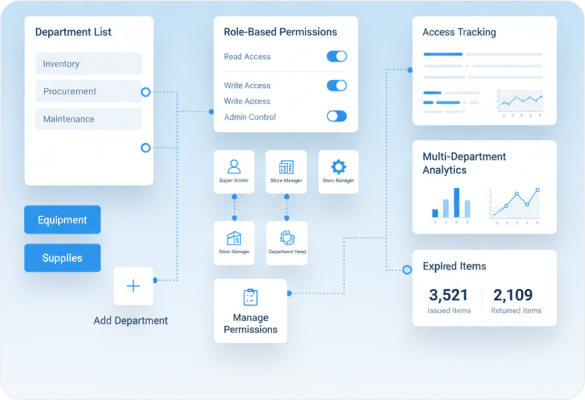
No visibility across departments
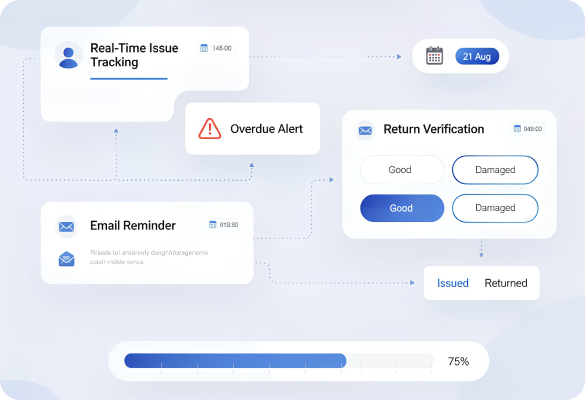
Teams lacked a unified view of item movements — making it difficult to track who issued what, where items were located, and when they were returned.
2
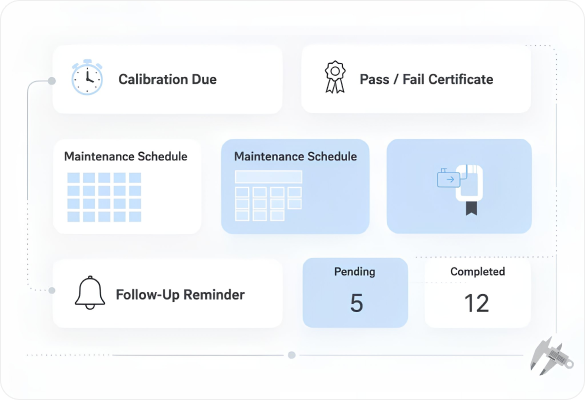
No reminders for calibration or maintenance
Paper-based logs meant tools often missed calibration or preventive maintenance schedules, increasing operational risks.
3
Redundant approval steps & reporting delays
Departments relied on manual approvals, phone calls, and spreadsheets, causing slow decision-making and inconsistent updates.
4
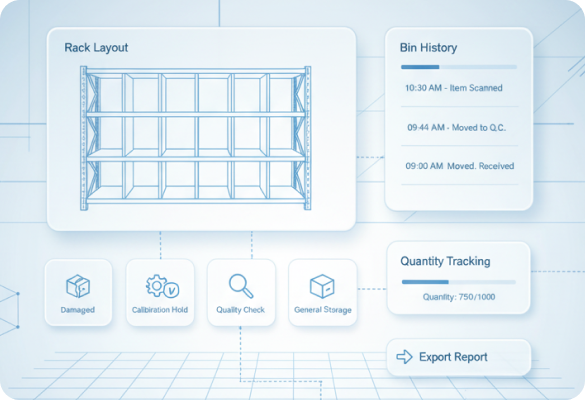
Complex reconciliation of issued, returned, and damaged items
Inventory teams spent too much time matching paper logs to physical stock, leading to mismatches and inaccurate counts.
5
No data-driven insights on stock or maintenance performance
Without centralized analytics, teams could not analyze consumption patterns, forecast needs, or measure maintenance efficiency.